Ten critically endangered species Ten of the most endangered species on the planet, selected using the IUCN Red List. Mammals, birds, a reptile, an amphibian, a fish: each tells the story of a different threat, and often a reason for hope.
How we chose these species
Status. All ten species are listed as Critically Endangered (CR) on the IUCN Red List, which we checked on 26 October 2026. They are full species, not subspecies.Population. IUCN assessments are sometimes several years old. So we give the most recent published figure , from a census, report or study, with its source and date. Where the IUCN estimate differs, we mention it on the species page.Diversity. We chose species with some of the smallest wild populations, across different animal groups and continents.A way to help. For every species, at least one trusted organization is working in the field and can be supported directly.
These are not “the ten most endangered species in the world”: no such ranking exists. They are ten representative stories, chosen to explain the threats and the solutions.
Understand the IUCN Red List
All Mammals Birds Reptiles Amphibians Fish Marine species
Sort by Population (smallest first) Name
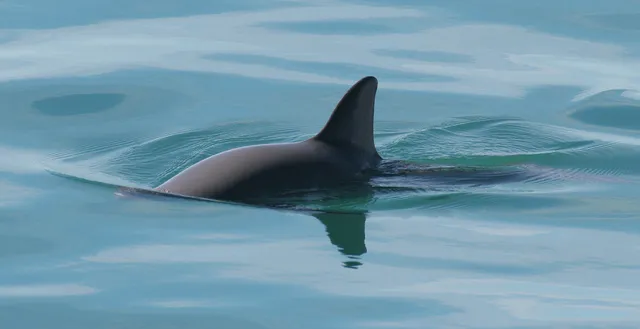
Critically Endangered Mammal
Phocoena sinus
Population: 7–10 (2025)
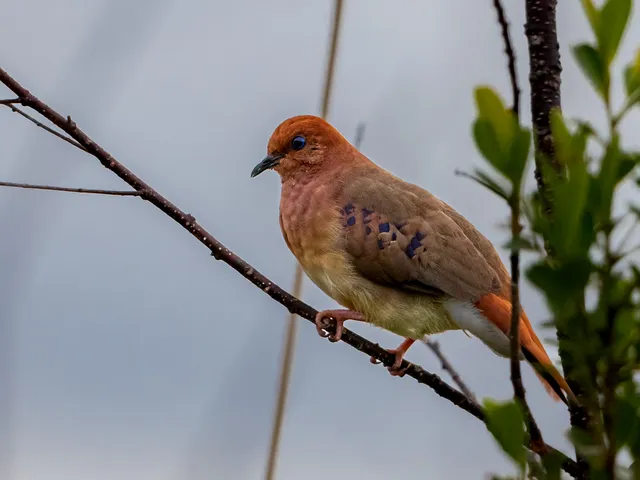
Critically Endangered Bird
Columbina cyanopis
Population: ≈ 10 adults (2025)
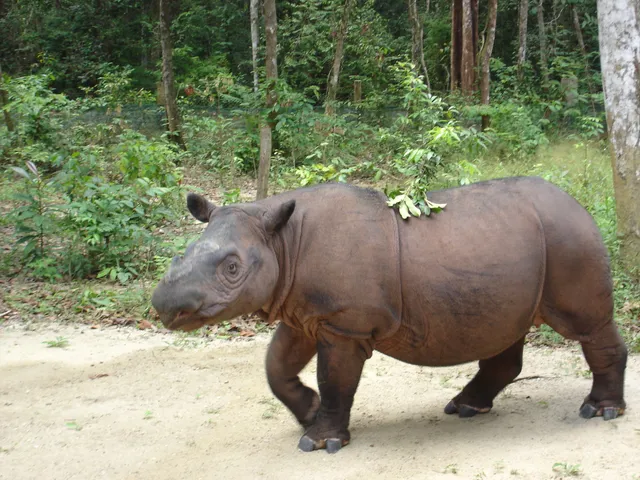
Critically Endangered Mammal
Dicerorhinus sumatrensis
Population: 34–47 (2025)
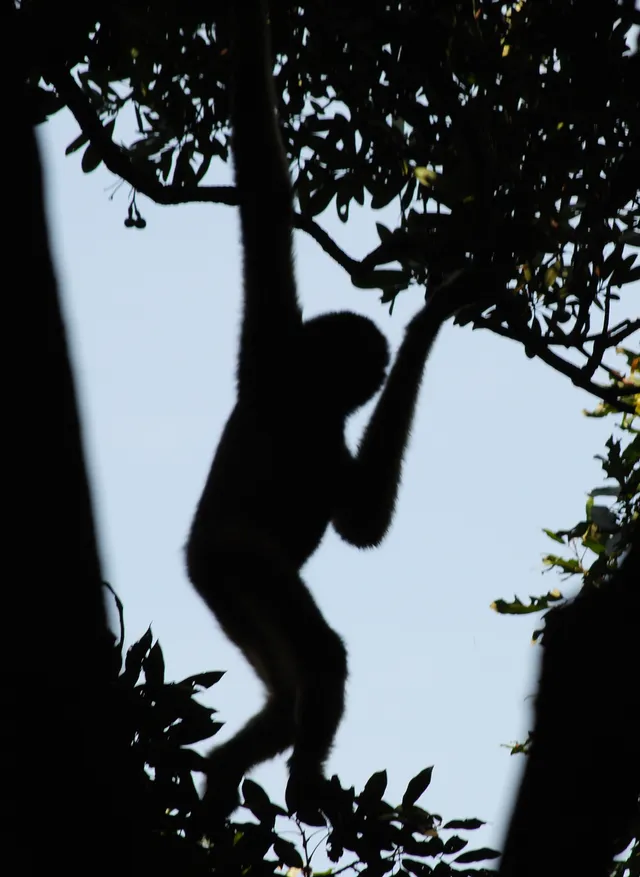
Critically Endangered Mammal
Nomascus hainanus
Population: 42 (2025)
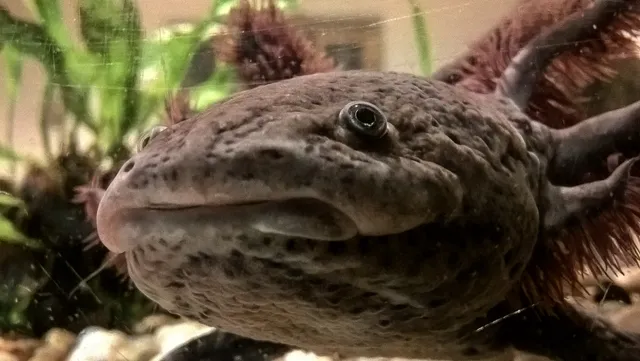
Critically Endangered Amphibian
Ambystoma mexicanum
Population: 50–1,000 (2019)
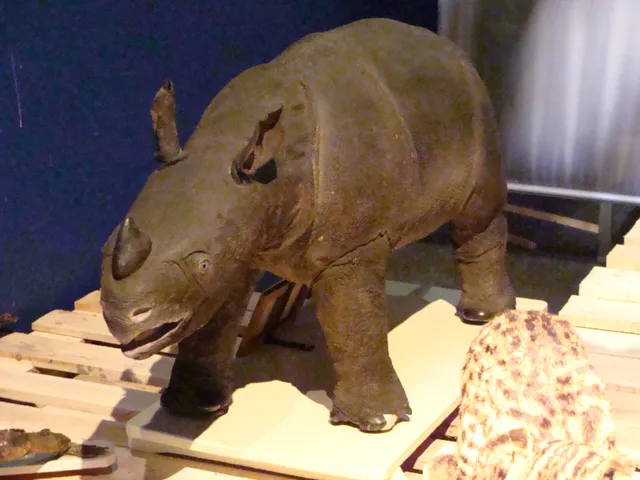
Critically Endangered Mammal
Rhinoceros sondaicus
Population: ≈ 50 (2025)
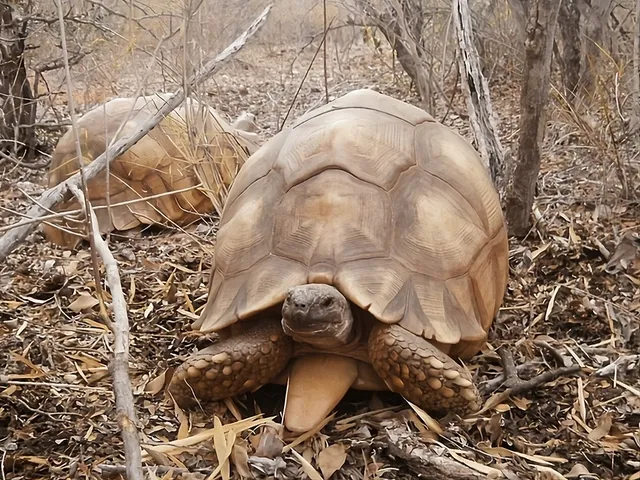
Critically Endangered Reptile
Astrochelys yniphora
Population: 50–100 (2025)
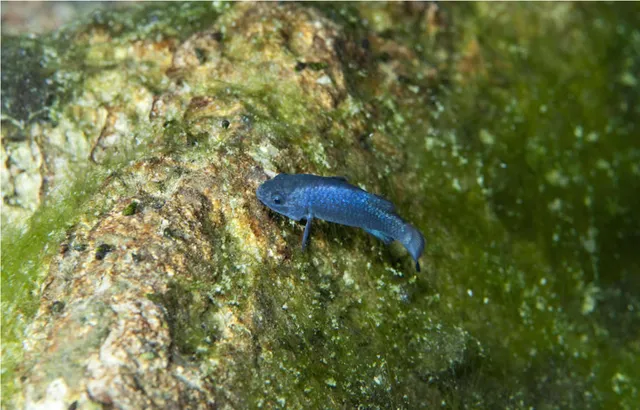
Critically Endangered Fish
Cyprinodon diabolis
Population: 77 (2026)
Critically Endangered Bird
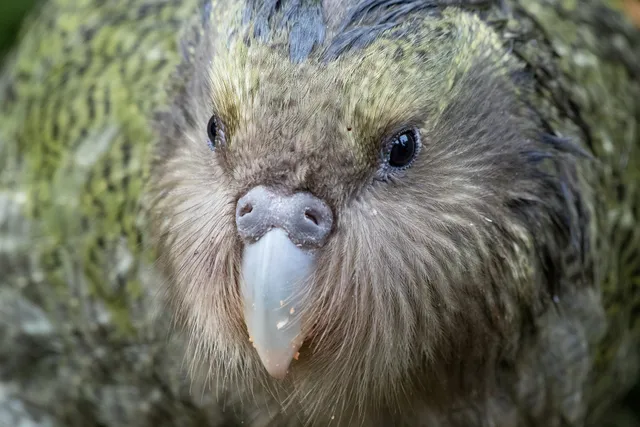
Strigops habroptilus
Population: 325 (2026)
Critically Endangered Mammal
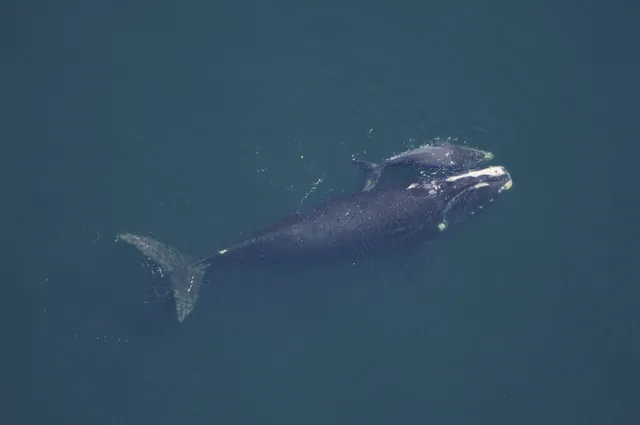
Eubalaena glacialis
Population: 384 (2024)
No species in this group.