
A bilingual guide to critically endangered species
They are among the last of their kind. There is still time to act.
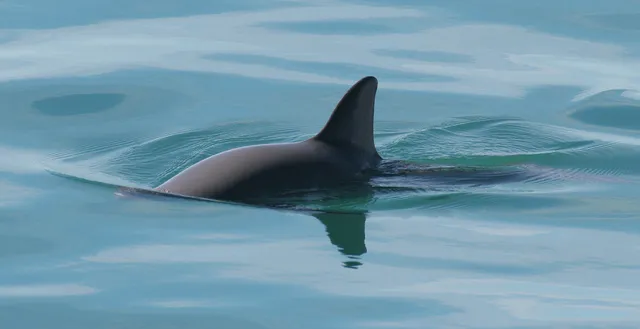
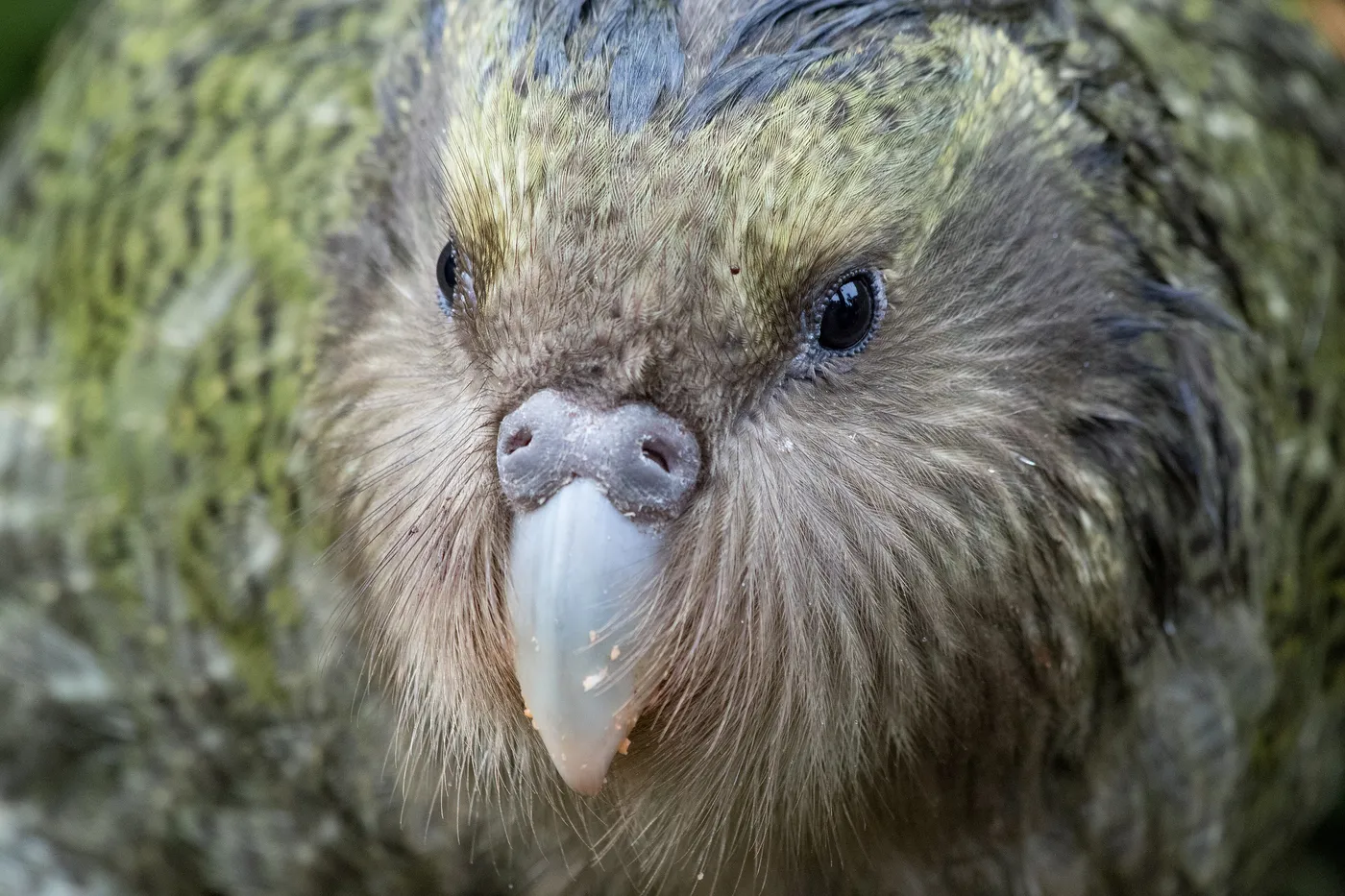
Vaquita, kākāpō, Javan rhino… Meet ten animals on the brink of extinction, learn what threatens them and what is working to save them, and find the organizations making a difference on the ground.
49,505
species are threatened with extinction, out of 175,909 assessed by the IUCN
Source: IUCN Red List update, 9 July 2026, accessed .
Ten species on the brink
All ten are listed as Critically Endangered by the IUCN. For each one, we give the most recent published population figure, with its source and date.
-
-
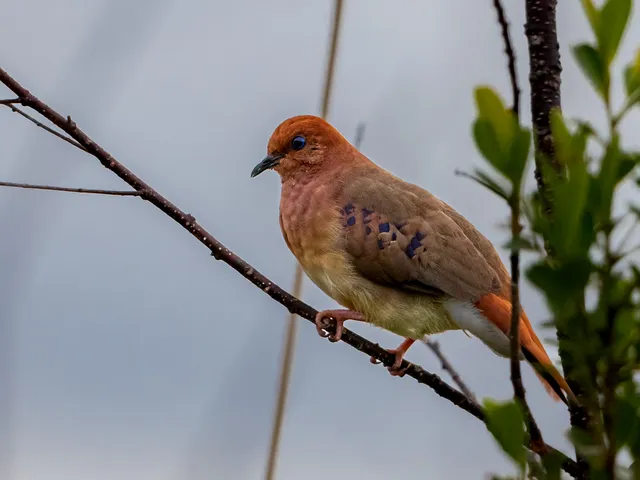
Critically Endangered Bird
Blue-eyed ground dove (rolinha-do-planalto)
Columbina cyanopis
Population: ≈ 10 adults (2025)
-
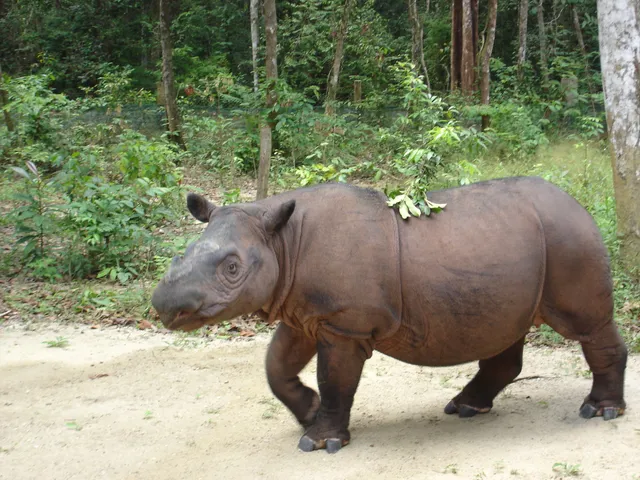
-
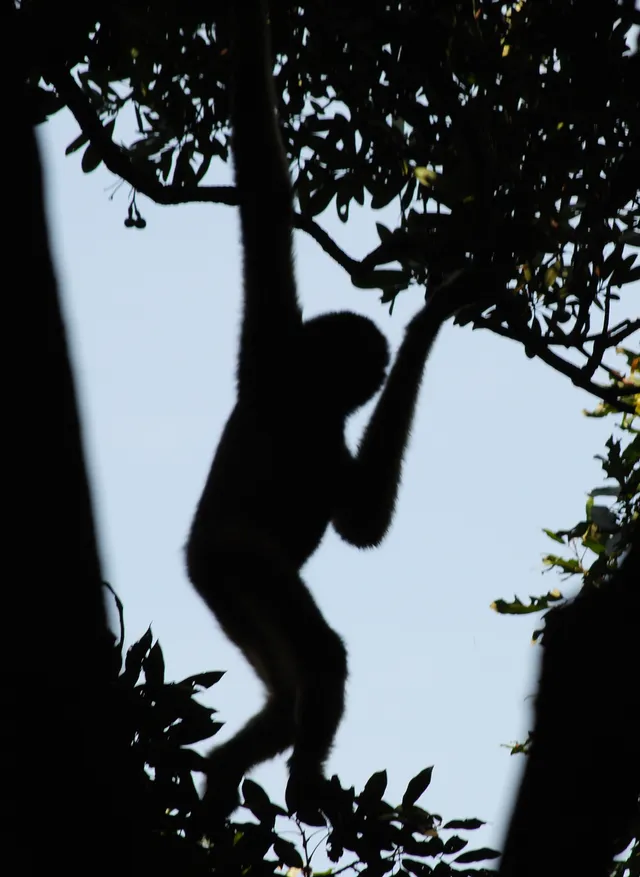
-
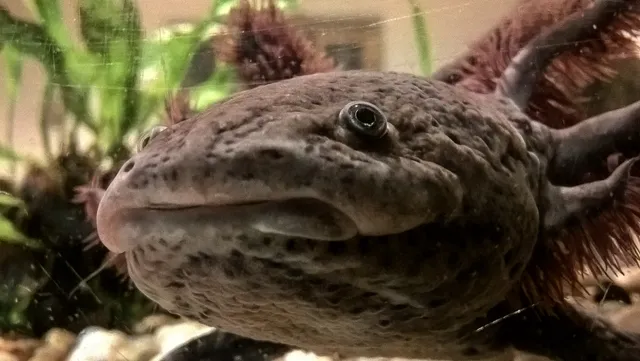
-
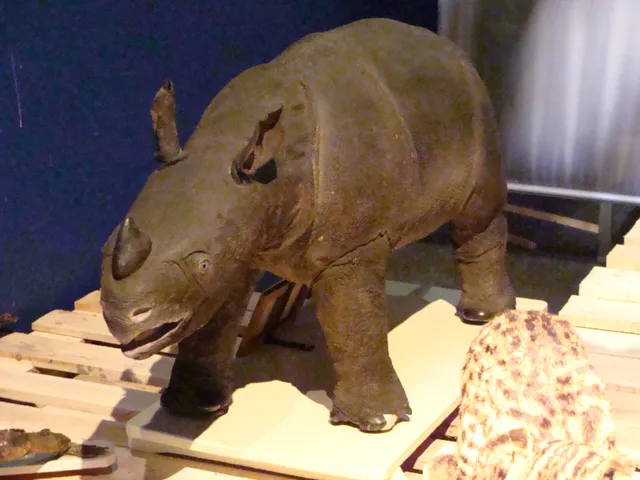
-
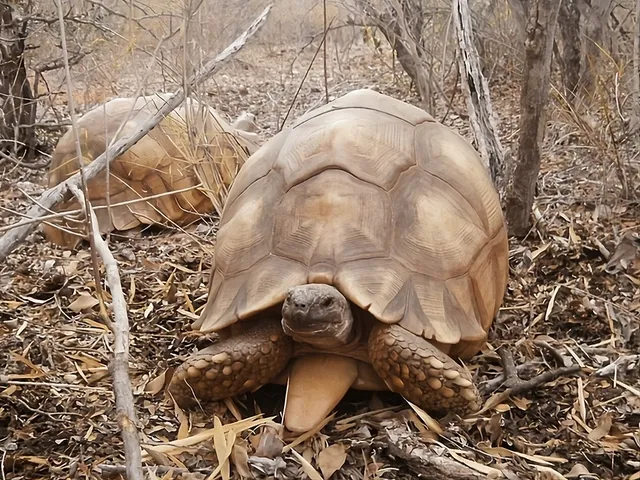
Critically Endangered Reptile
Ploughshare tortoise (angonoka)
Astrochelys yniphora
Population: 50–100 (2025)
-
-
-
The crisis in 3 points
-
Disappearing habitats
Forests cleared, wetlands built over, grasslands burned: without a habitat, a species has nowhere left to live.
-
Animals killed for trade or by accident
Poached for a horn, trafficked as pets, drowned in fishing nets: people remain the leading cause of death.
-
The small-population trap
When only a few dozen individuals remain, a storm, a disease or inbreeding can be enough to tip the balance.
Conservation works
When efforts are sustained over time, species can come back from the brink.
-
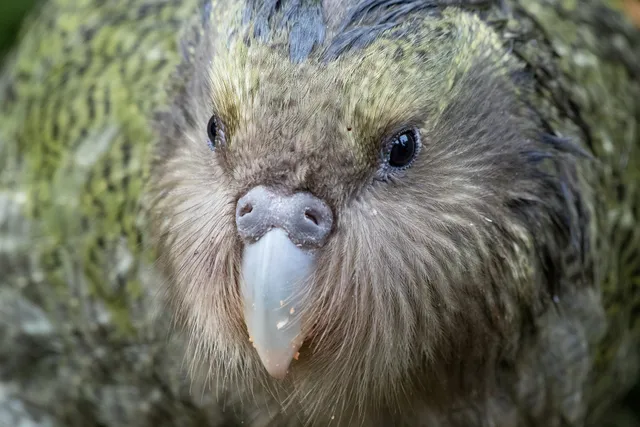
Kākāpō numbers have grown sixfold
From 51 birds in 1995 to 325 in September 2026: a record for New Zealand's flightless parrot.
-
The Iberian lynx is no longer Endangered
From 62 adults in 2001 to 648 in 2022: the IUCN moved it to Vulnerable in 2024.
Three ways to help
-
Support a field organization
We don't collect donations. We point you to trusted organizations protecting each species.
-
Change an everyday habit
What we buy, bring home from our travels or release into the wild matters too.
-
Spread the word
Getting a species known is already a way of helping. Send a species page to someone who has never heard of it.
Why you can trust us
-
Dated figures
Every figure comes with its source and the date we checked it.
-
Open sources
IUCN Red List, scientific studies, field organizations: all our sources are cited and linked.
-
No donations collected
We take no donations, no advertising and no commissions. We link straight to the organizations.
-
Openly licensed photos
Every photo is credited with its author and licence. No image is generated by artificial intelligence.